Departamento de Conservación y Recreación Departamento de Conservación y Recreación (DCR)
Conservar. Proteger. Disfrutar.
DCR Logo
Menú móvil
Buscar en el sitio de DCR
Facebook Twitter YouTube Instagram LinkedIn
Acerca de DCR
 
Parques estatales
 
Patrimonio natural
Conservación de suelo y agua
Planificación de recreación
Seguridad de presas y
llanuras aluviales
Conservación de tierra
  • Patrimonio natural
  • Sobre el Patrimonio Natural
    • Visión general, misión
    • Inventario del Patrimonio Natural
    • Programa de Ecología Comunitaria
    • Programa Aguas Saludables
    • Gestión de la información
    • Revisión ambiental
    • Protección del Espacio Natural
    • Mayordomía
    • Personal
    • Prácticas
  • Reservas de Espacios Naturales
    • Guía de Acceso Público (PDF)
    • Eventos Especiales y Caza
    • Investigación en Áreas Naturales
  • Especies raras y comunidades naturales
    • Búsqueda de Especies Raras y Comunidad Natural
    • Listas de Especies Raras y Comunidades Naturales
    • Formulario de Avistamiento de Especies Raras
    • Comunidades naturales de Virginia
    • Mapas Resumidos de Localidades
    • Atlas de mariposas y libélulas raras
  • Servicios de información
    • Formulario de pedido de servicios de información
    • Programa de Asistencia a la Localidad
    • Explorador de datos de NH
    • Búsqueda de Especies y Comunidades
    • ConservaciónVisión e Infraestructura Verde
    • Torres de telecomunicaciones (PDF)
    • Base de Datos de Tierras de Conservación
    • Catálogo de Humedales
    • Modelado de Hábitat de Especies
  • Portal del sitio solar inteligente de Pollinator
    • Manual completo (PDF)
    • Plantillas de cuadros de mando
    • Buscador de plantas nativas de Virginia
  • Plantas nativas
    • Beneficios
    • Nativos vs. Alienígenas
    • Comprar y cultivar
    • Provincias fisiográficas de Virginia
    • Buscador de plantas nativas
    • Flora de Virginia
    • Política 151 - Plantaciones en tierras departamentales
  • Plantas invasoras
    • Lista de plantas invasoras
    • Lo que puedes hacer
    • Hojas informativas
    • Grupo de Trabajo de Especies Invasoras
    • Heritage Half Acre
  • Invertebrados
    • Mariposas monarca
  • Cuevas/Karst
    • Tablero de cueva
    • Cueva y Sendero Kárstico
  • Publicaciones
    • Flora de Virginia
    • Artículos revisados por pares
    • Noticias electrónicas
    • Folletos y hojas informativas
    • NH Plan
Home » Natural Heritage » Heritage Half Acre

Heritage Half Acre

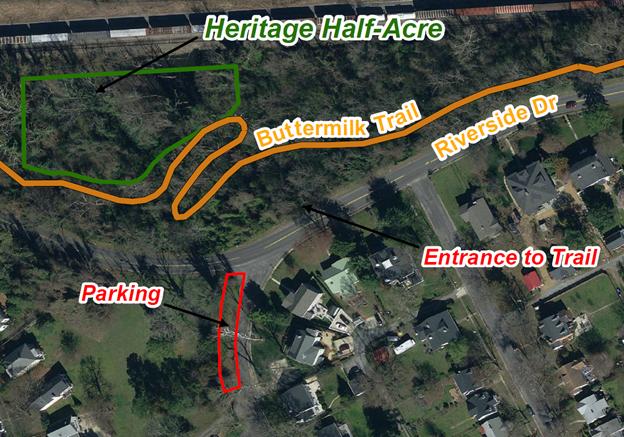
The Department of Conservation and Recreation’s Natural Heritage Program Division (DCR-DNH) has focused work on invasive species removal within an approximately .876-acre area in James River Park along the south side of the James River in between the railroad tracks and the Buttermilk Trail. Located within Baseline Study Area known as "Reedy Creek to Lee Bridge", the so-called Heritage Half Acre (HHA) is located within subunit #2 of the baseline study area. This invasive species removal is being conducted in cooperation with the James River Park System.
heritage half acre map

Métodos

To date, DCR-DNH has conducted 20 workdays, approximately one per quarter since April, 2018 apart from two years due to COVID. Preliminary goals were to reduce the spread of invasive species out of the work area by eliminating reproductive individuals and establish an ecological and floristic baseline to monitor long-term floristic changes in the work area. Long term goals are to eradicate all invasive species from the work area and continue to monitor the area for vegetation recovery or reinvasion of invasives.

A 10 x 10-meter vegetation plot was established in April 2018 and resampled in April 2024, with sampling methods directly comparable to those used across Virginia. The plot is permanently marked. All plant species were recorded in cover classes within nested subplots. An overall plant list outside the sample plot along with their general abundance is being maintained. A numeric tally and diameter measurement for each woody stem >1m in height is being implemented; to-date all large trees (>10cm dbh) have been measured, and smaller trees have been recorded, apart from those in the 1-3 cm diameter class.

Vegetation Summary

The most frequent tree (>10 cm) is Box Elder (Acer negundo), but Ash (Fraxinus sp.) currently comprises the highest basal area due, in part, to two >80cm dbh individuals, and three individuals >50 cm (NOTE: ALL ALIVE and seemingly healthy as of September 2019, a few unmeasured/completely dead stem in standing water). Both Sycamore (Platanus occidentalis) and Tulip Poplar (Liriodendron tulipifera) are represented by individuals greater than 100 cm, but in terms of combined basal area Platanus, Liriodendron, Ulmus, and Celtis are approximately equivalent.

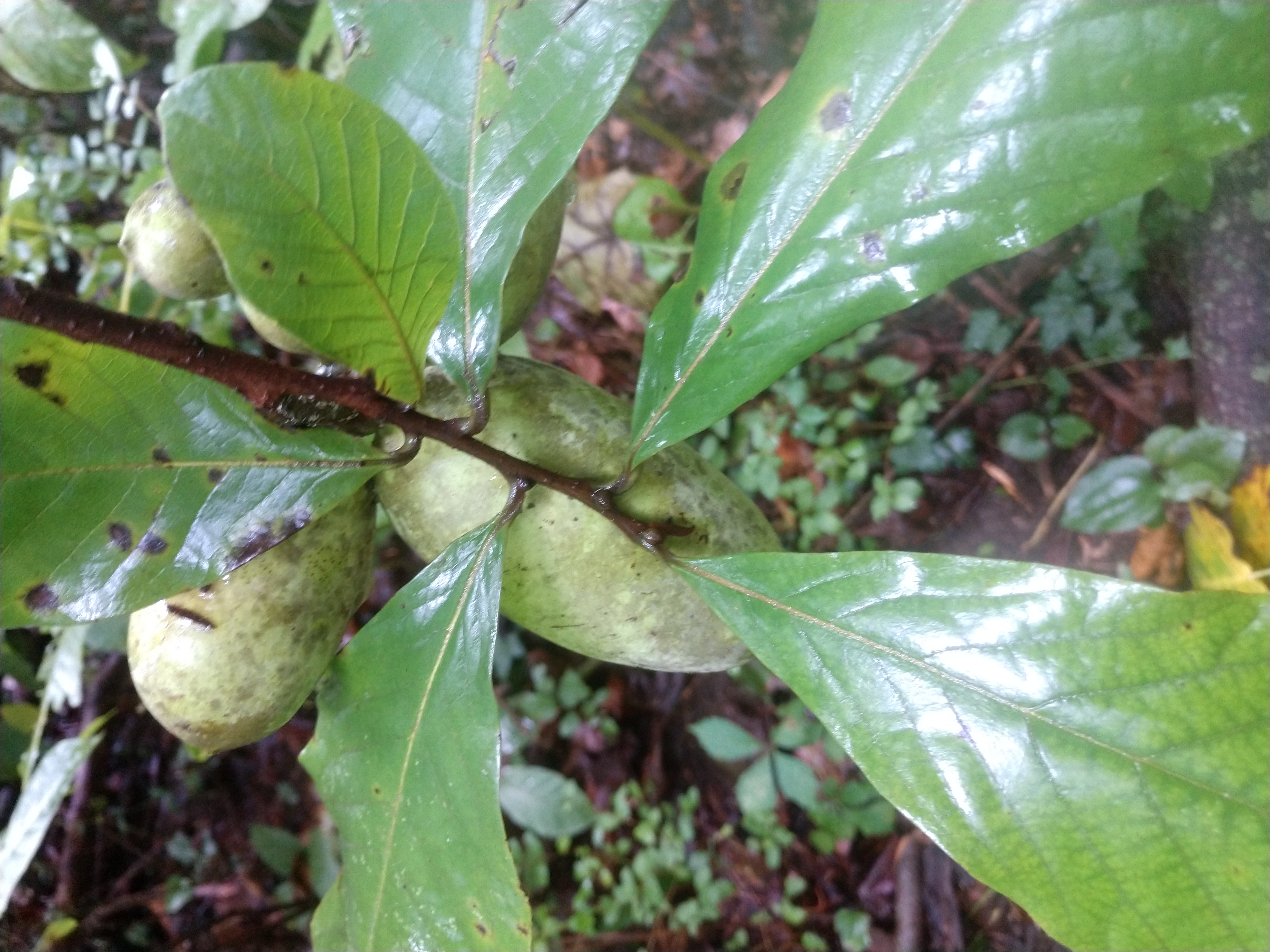
Paw Paw(Asimina triloba) is abundant and dominant in the midstory layer with a much lower amount of Spicebush (Lindera benzoin). A significant and dense grove of Sweet Gum (Liquidambar styraciflua) is present and dominant along the northeastern perimeter closest to an impounded area. Worthy of special note are several stems of Sugar Maple (Acer saccharum), since they occur here outside their native range in VA. Accordingly, they are listed in Table 1 in the Invasive Species tab below as an invasive species. The small existing trees are currently found in the midstory but are likely to enter the canopy in the future unless control actions are taken.

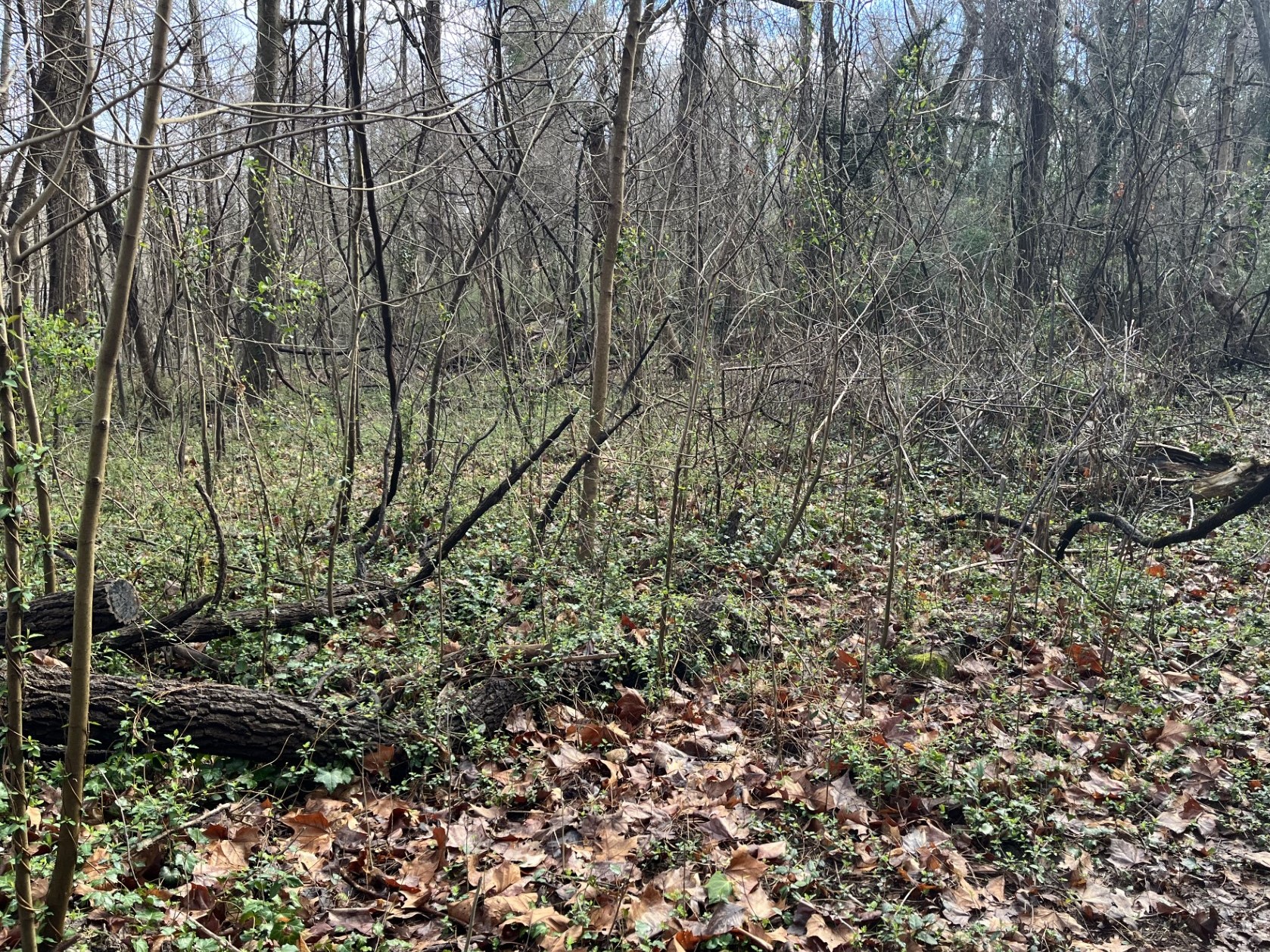
photo before invasive removal
Before picture from Mar 7, 2024 workday
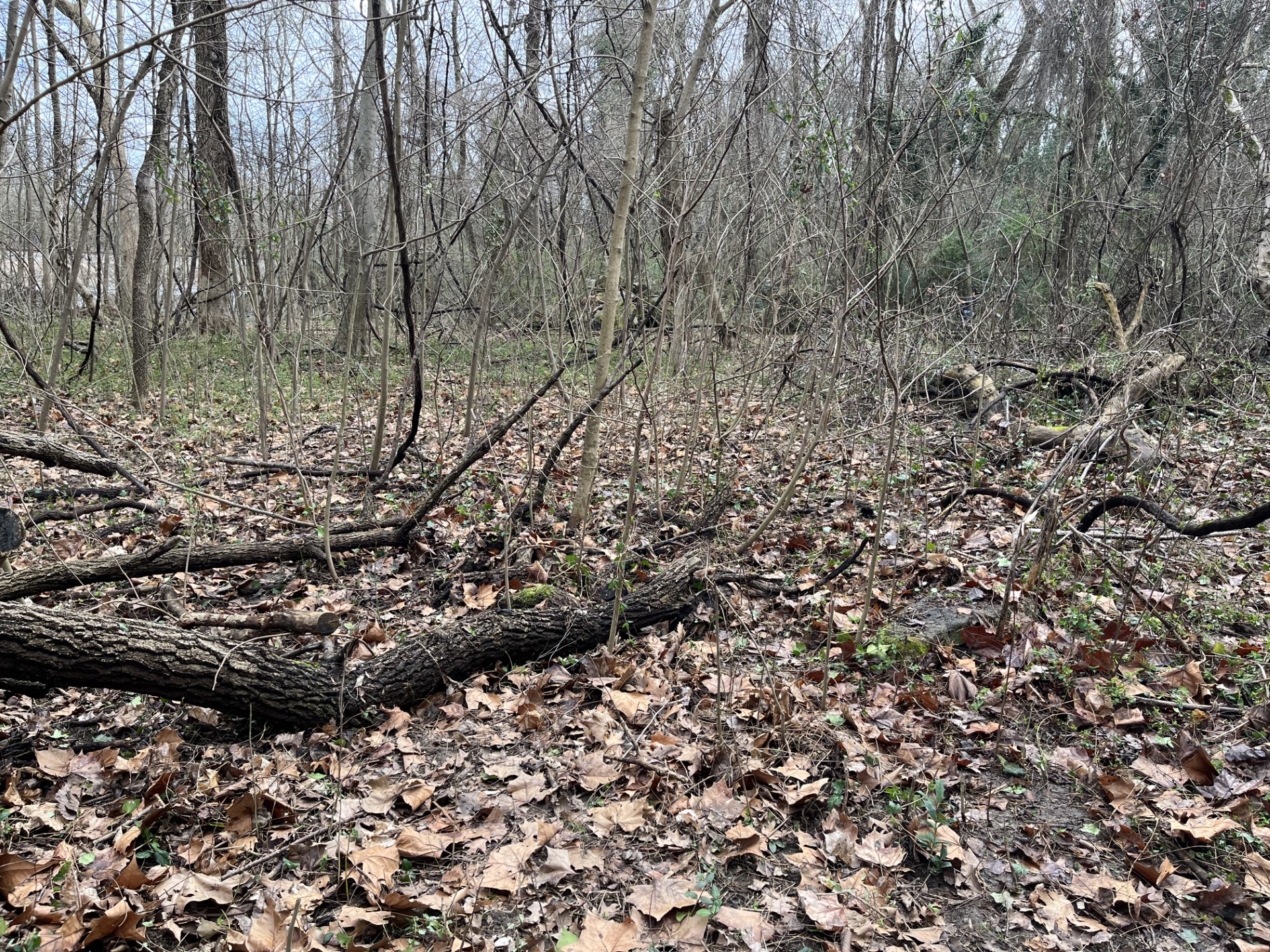
photo after invasive removal
After picture from Mar 7, 2024 workday

Especies invasoras

Thirteen (13) invasive species had originally been recorded in this subunit according to the study area document. Of these, only six (6) species have been documented by DCR-DNH in the work area. However, an additional nine (9) species not listed in the baseline study list have been located within the work area, and one additional "early detection" species for the James River Park system has been noted immediately adjacent to the work area. (See Table 1)

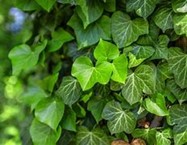
photo common ivy
Common Ivy
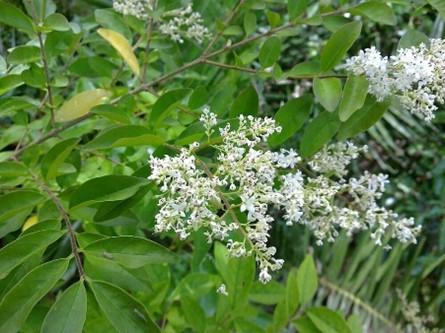
photo small-leaf privet
Small-leaf Privet
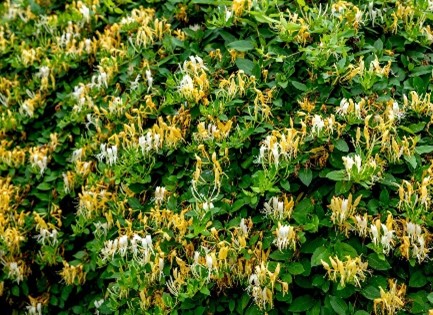
photo japanese honeysuckle
Japanese Honeysuckle
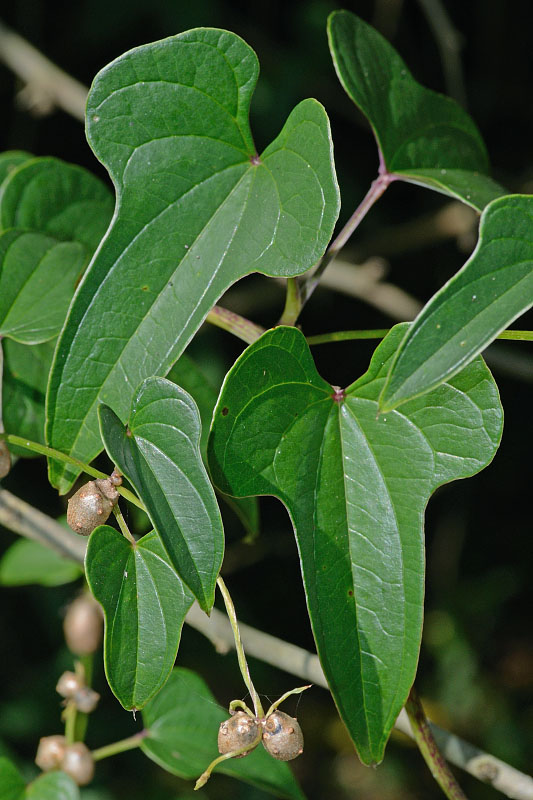
photo cinnamon vine
Cinnamon Vine

Native Species

To date, 13 native plant species have been documented in the study area.

Nombre científico Nombre común Date Observed Current Status in Work Area
Viburnum dentatum Arrowwood Viburnum 3 / 7 / 2023
Infrequent
Ranunculus sp. Buttercup 3 / 7 / 2023
Infrequent
Acer negundo Boxelder Maple 3 / 7 / 2023
Many low sprouts
Polygonatum sp. Solomon's Seal 3 / 7 / 2023
Concentrated cluster in one area
Ilex opaca American Holly 3 / 7 / 2023
Infrequent
Juniperus virginia Eastern Red Cedar 3 / 7 / 2023
Infrequent
Persicaria virginiana Jumpseed 3 / 7 / 2023
Cluster along trail
Viola sororia Common Blue Violet 3 / 7 / 2023
Many sprouts - mostly along trail
Smilax rotundifolia Roundleaf Greenbriar 3 / 7 / 2023
Infrequent
Plantanus occidentalis American Sycamore 3 / 7 / 2023
Present
Saururus cernuus Lizard's Tail 3 / 16 / 2023
Wetland area in the western portion of HHA
Asimina triloba Pata Pata 3 / 16 / 2023
Present
Magnolia sp. Magnolia 3 / 7 / 2024
One or two short individuals

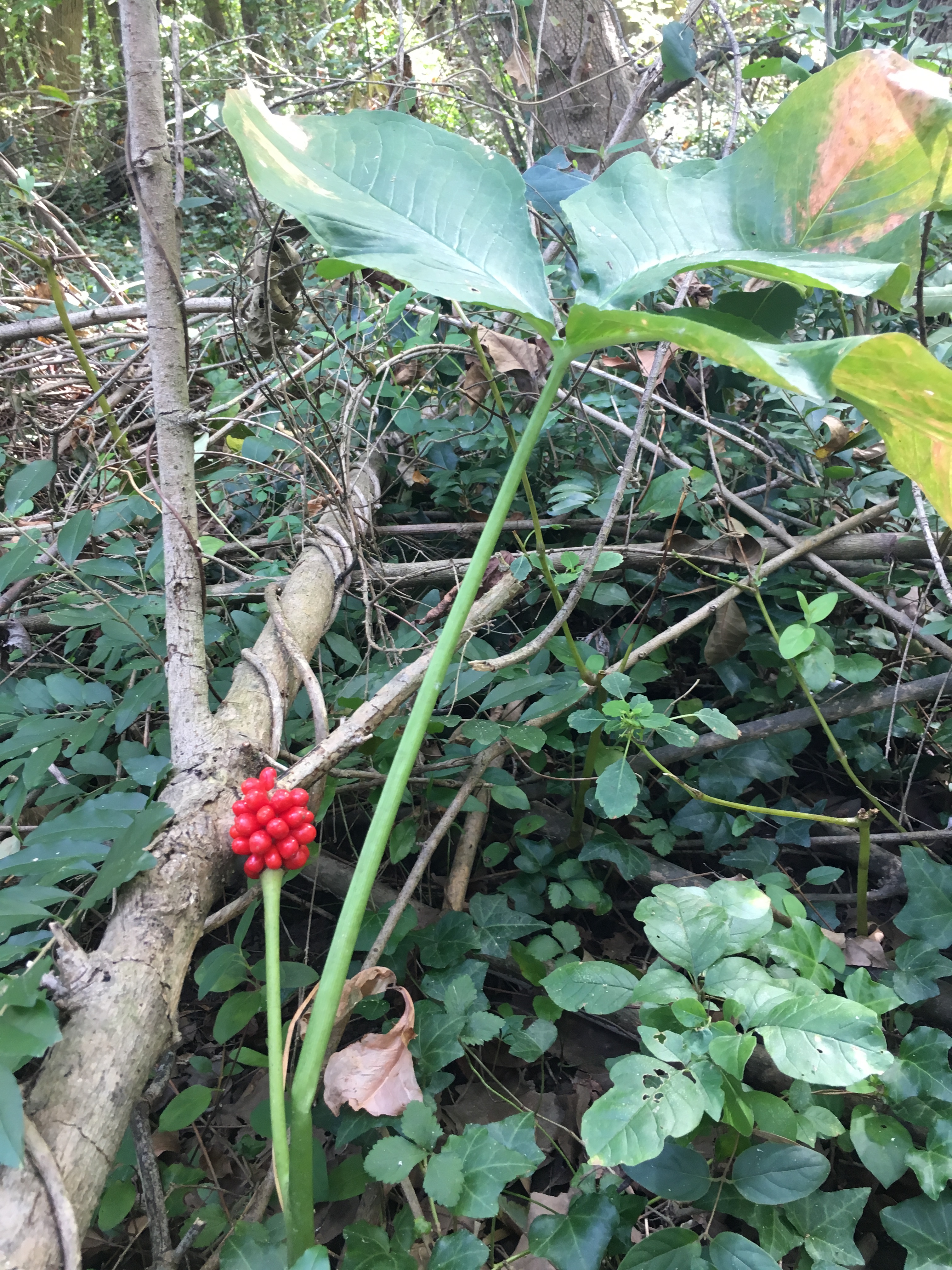
photo Jack-in-the-pulpit in fruit
Jack-in-the-Pulpit in fruit
photo Paw paw in fruit
Paw Paw in fruit
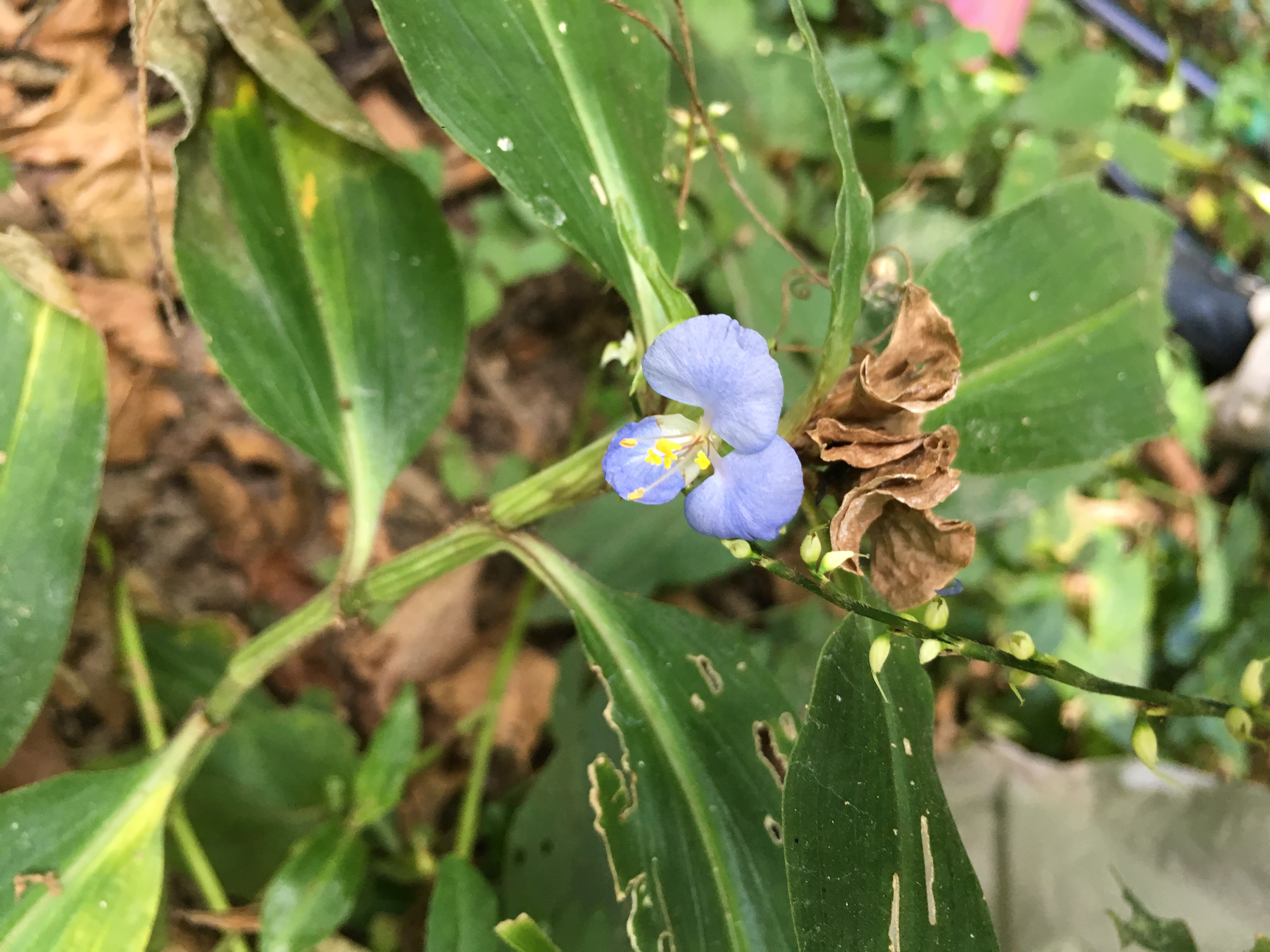
photo native day flower
Native Dayflower
photo Virginia creeper
Virginia Creeper
Departamento de Conservación y Recreación de Virginia
600 East Main Street, 24th floor | Richmond, VA 23219-2094 | 804-786-6124
Envíe comentarios sobre el sitio web a web@dcr.virginia.gov
Dirija consultas generales a pcmo@dcr.virginia.gov
Derechos de autor © 2026, Virginia IT Agency. Todos los derechos reservados
Última modificación: martes, 3 febrero de 2026, 02:09:28 PM
Informes de transparencia de eVA Vea los gastos del Departamento de Conservación y Recreación (DCR) de Virginia.
Contáctenos | Centro de medios | Política de privacidad | Aviso de la ADA | FOIA | Puestos de trabajo | Código de ética (PDF)
Organigrama del DCR (PDF) | Plan estratégico (PDF) | Informe de progreso del ejecutivo (PDF) | Seguridad pública y aplicación de la ley